


Casio SX-C1 Handheld Sampler: Prototype Preview
Casio SX-C1 handheld sampler debuts at NAMM 2026 with 16-bit/48kHz sampling, a 1.3-inch OLED, and portable workflows.
Casio SX-C1 handheld sampler arrived at The NAMM Show 2026 as a compact shock to the synth scene. It looked playful yet deliberate in the hands of demos, and it immediately felt like a modern nod to classic Casio creativity. Because it combines handheld convenience with pro level sampling, the device promises fresh workflows for producers and sound designers.
The prototype on display packed a 1.3 inch OLED, a directional pad for its built in step sequencer, and a grid of 16 LED backed buttons in an 8 bit inspired font. It also captured audio at 16 bit 48 kiloHertz and included both a built in microphone and analogue input. Meanwhile the unit offered 64 gigabytes of internal storage and USB C for file transfer and real time audio streaming.
This preview reads as equal parts thrilling and tentative. However there is no release date or price yet, and Casio described the show units as prototypes. Therefore expect more details and refinements, but also plan to follow this one closely because it could reshape portable sampling.
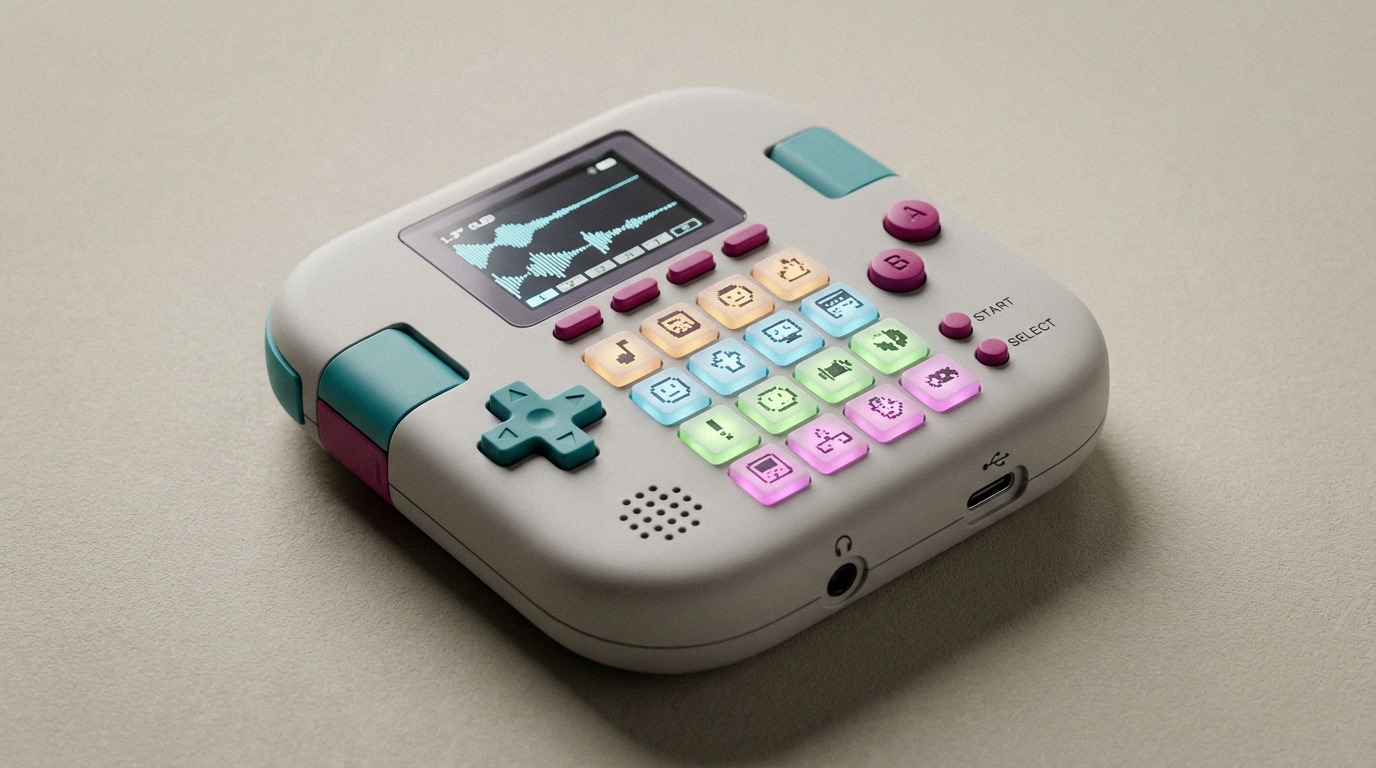
Key Specs of the Casio SX-C1 handheld sampler
This compact unit mixes retro style with modern sampling tech. It ships as a prototype, however it already shows clear design intent. Because it pairs portability with capable specs, it could become a studio staple.
Features include:
- 1.3-inch OLED display for clear menus and waveforms.
- Built-in step sequencer controlled via a responsive directional pad.
- 16 LED-backed square buttons in an 8-bit-like font for tactile input.
- 16-bit/48kHz sampling quality for clean, versatile recordings.
- Built-in microphone plus analogue audio input for field capture.
- 64GB internal storage with 10 banks of 16 samples for large libraries.
- USB-C for file transfer, real-time audio streaming, and power.
- AAA battery option for mobile use; battery life advertised as two hours, TBD.
- Compact Game Boy-inspired chassis with lettered function buttons and matte finish.
- Prototype status means final specs and price may change.
Additionally, the unit supports real-time audio streaming and USB power. It offers a step sequencer workflow reminiscent of Game Boy trackers. Because the NAMM units were prototypes, Casio may refine UI and battery performance before release.
| Feature | Casio SX-C1 handheld sampler | Casio SK-1 | Game Boy sampler |
|---|---|---|---|
| Release year | Prototype shown at NAMM 2026 | 1985 | Varies, popular in 1990s homebrew scene |
| Display | 1.3-inch OLED | None or minimal display | None |
| Buttons and controls | Directional pad, lettered function buttons, 4 by 4 LED-backed grid | Small membrane keyboard with basic buttons | Directional pad and buttons, often modded for sampling |
| Sampling quality | 16-bit / 48kHz | Low resolution lo-fi sampling | Typically 8-bit lo-fi; varies by mod or software |
| Inputs | Built-in microphone and analogue audio input | Built-in mic or limited input | Often external mic or line in via modification |
| Storage | 64GB internal; 10 banks of 16 samples | Very limited internal sample memory | Varies by cartridge or external storage; generally limited |
| Sequencer | Built-in step sequencer controlled by D pad | None or very basic sequencing | Tracker style sequencing on some setups |
| Connectivity | USB-C for file transfer, real-time audio streaming, and power | None | Varies; some community mods add link or USB options |
| Power | USB-C power or AAA batteries (battery life advertised as two hours TBD) | Battery powered | Battery powered; portable for live use |
| Portability | Handheld pocket friendly; modern compact chassis | Small toy keyboard; highly portable | Handheld and portable; favored for on the go chiptune work |
| Notable users and legacy | New device; impact TBD | Used by artists like Autechre and DJ Hype; cult status | Popular in chiptune and experimental scenes |
Cultural legacy and the Casio SX-C1 handheld sampler
Casio’s original SK-1 left a long shadow over DIY sampling culture. Because artists like Autechre and DJ Hype used it, the SK-1 gained mythic status.
The SX-C1 taps into that lineage while moving forward. Sam Willings noted the SX-C1’s Game Boy vibe and pocketable focus, underscoring this link (see Sam Willings’ coverage). MusicTech also highlighted the device’s playful approach and modern specs at MusicTech.
Therefore the reveal felt like both homage and upgrade, and writers paid attention. This lineage matters because it shaped how musicians make lo-fi textures. As a result, the SX-C1’s 16-bit/48kHz sampling and 4×4 pads feel like a professional heir. However the units at NAMM were prototypes, so final features may change. Still, excitement feels justified.
For producers who love portability and hands-on play, the SX-C1 offers fresh potential. Nevertheless, we should await final specs and pricing.
Conclusion
The Casio SX-C1 handheld sampler arrival at NAMM 2026 sparked genuine excitement among players and producers. It looked playful and purpose built. However the units shown were prototypes, so some details remain uncertain.
At its core the SX-C1 blends modern specs with retro charm. It pairs a 1.3 inch OLED, a built in step sequencer, and 16 LED backed pads. It records at 16 bit 48 kHz. It offers 64 GB of storage plus USB C for file transfer and real time audio streaming. Because of these features it could suit both live performance and studio workflows.
Casio’s sampler legacy, from the SK 1 to contemporary scenes, gives this device cultural weight. Artists such as Autechre and DJ Hype helped elevate early Casio samplers into classics. Still price and final battery life remain unknown, so a cautious optimism feels right. Therefore stay tuned for updates and hands on tests as Casio moves from prototype to product.
