


Britain’s cultural sector exposed: Class Ceiling highlights class barriers
The Class Ceiling study on classism in the cultural sector highlights wage gaps, unpaid work, and barriers facing working-class artists in Britain.
The Class Ceiling study on classism in the cultural sector is a wake-up call in the UK. It exposes how working class DJs and music professionals face low pay, insecure gigs, and shrinking grassroots venues. As a British study led by Nazir Afzal, this report highlights unequal treatment and the spread of pay-to-play norms.
Therefore, the findings matter deeply to DJs, producers, venue operators, and policy makers who seek social mobility and a fair creative economy, because the report links discrimination and harassment to structural barriers that prevent talent from working-class backgrounds from sustaining careers in music and other cultural fields.
We must press for existence-secure wages, accessible training pathways, affordable workspaces, support for regional studios, strong regional funding, and cultural education, and a ban on unpaid or pay-to-play practices; only then will the music industry stop losing vital working class voices and begin to reflect the society it serves.

Key findings from the Class Ceiling report and why the music industry is at risk
The Class Ceiling report, led by Nazir Afzal and supported by the University of Manchester, reveals stark class barriers across Greater Manchester’s cultural sector. The inquiry surveyed roughly 300 cultural professionals. As a result, it documents widespread low pay, insecure work, and shrinking grassroots infrastructure. Nazir Afzal urged urgent action when he said, “If we want a creative sector that truly reflects modern Britain, then class has to be treated as seriously as race, gender, and disability.” Source
Low wages and unstable income
The report shows that half of professional musicians earn below £14,000 per year. Consequently, many artists cannot live off their creative work. Less than half of working-class respondents earn enough to make a living from their art. Therefore, creatives rely on second jobs or insecure freelance gigs. These conditions reduce social mobility and force talented DJs and producers out of careers early. For more on the regional findings, see the German coverage of the report.
Insecure conditions and pay-to-play practices
The inquiry highlights exploitative engagement models. In particular, “pay-to-play” models appear repeatedly in participants’ testimonies. Because venues and promoters pass costs to performers, new artists shoulder financial risk. As a result, musicians from working-class backgrounds face a higher access barrier. Moreover, over 80 percent of respondents began their careers without social contacts in the industry. The report’s findings align with broader coverage of pay-to-play harms in the sector: Read more.
Infrastructure decline and studio closures
Grassroots spaces matter, however they face rapid decline. The report notes more than 300 artists searching for affordable workspace. Also, roughly half of recording studios say they may close within the next year. Consequently, the practical places for rehearsal, recording, and community building are disappearing. This loss worsens unequal outcomes for working-class creatives.
What the report calls for
The Class Ceiling report demands structural fixes, including:
- Existence-secure wages and an end to unpaid work
- Stronger regional funding and investment in creative education
- More apprenticeships and fair hiring practices
These recommendations aim to protect DJs, producers, and venue teams. The report also references advocacy groups and initiatives such as Rise as key partners. For the full set of recommendations, read the University of Manchester briefing.

The Class Ceiling study on classism in the cultural sector shows how class shapes career pathways. Because class determines access, social mobility suffers. For many working class artists, talent alone cannot overcome structural hurdles. Therefore the report links class barriers to unequal outcomes in music and wider cultural fields.
Classism harms social mobility and career success
When artists cannot afford to work unpaid, they drop out early. As a result, the sector loses diverse voices and lived experience. The report finds roughly 80 percent of respondents began without industry contacts, and half of professional musicians earn below £14,000 per year. Consequently, many depend on second jobs, and creative careers become unstable. Moreover, less than 18 percent see their own life reflected in their art. This gap reduces representation and weakens cultural relevance.
The music industry is especially exposed because grassroots infrastructure is shrinking. Over 300 artists want affordable workspaces, and half of recording studios warn they might close within a year. Therefore rehearsal rooms, regional studios, and small clubs vanish. That loss raises costs for entry-level producers and DJs. Because venues close, pay-to-play practices spread and unpaid gigs increase. The report highlights the harmful rise of “pay-to-play” models and attributes them to insecure funding and weak labour protections.
Recommended structural changes
The Class Ceiling report, led by Nazir Afzal and backed by the University of Manchester, calls for concrete policy shifts. It demands existence-secure wages for early careers and an end to unpaid work. It also recommends targeted investment in affordable workspaces and regional recording infrastructure. For more detail on the findings and recommendations, see the University of Manchester briefing: View Docs and the regional summary: View Docs.
Why these measures matter
Secure pay and funded training widen social mobility. Affordable workspaces and studio support keep community ecosystems alive. Fair hiring and apprenticeships reduce reliance on private networks. Therefore the sector becomes more inclusive, and working class artists can sustain careers. As Afzal warned, “If we want a creative sector that truly reflects modern Britain, then class has to be treated as seriously as race, gender, and disability.” The report recommends cross-sector partnerships, public funding, and industry accords to make that change real.
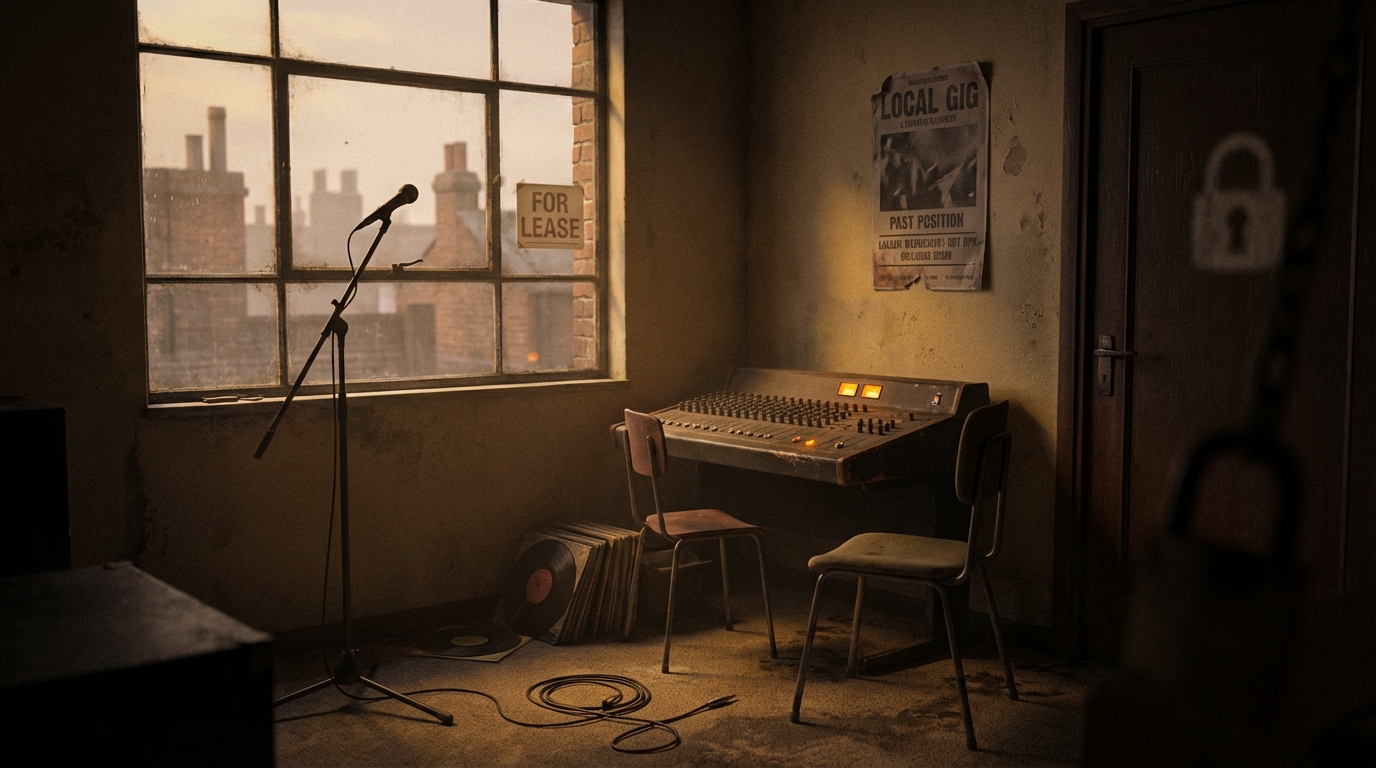
The Class Ceiling study on classism in the cultural sector lays bare a stark reality. It shows low wages, insecure work, and shrinking grassroots spaces. For example, half of professional musicians earn less than £14,000 per year. As a result, many cannot sustain creative careers and must take other jobs.
Class barriers also limit social mobility and diversity. Eighty percent of respondents began without industry contacts, and more than half experienced discrimination. Therefore talent from working class backgrounds struggles to break in. The report links pay-to-play practices and unpaid work to these inequalities. Consequently, representation in art and decision making remains narrow.
The report demands practical fixes and urgent investment. It calls for existence-secure wages, an end to unpaid work, and funding for affordable workspaces and regional studios. It also urges better creative education and apprenticeships so career doors open wider. Rise, researchers, and policy makers must act together.
Stakeholders cannot wait. Funders, promoters, unions, and local authorities should adopt these reforms now. Only systemic change will protect working class artists and restore true cultural diversity.
