


How to Use CR-78 Software Rhythm Composer in DAWs
Explore the CR-78 Software Rhythm Composer, an ACB powered recreation of the classic drum machine with modern sequencing and DAW sync.
CR-78 Software Rhythm Composer: A New Era in Timeless Rhythm
Before the legendary TR-808 and TR-909 took the music world by storm, there was the CR-78 CompuRhythm Drum Machine. Known for its fat analog sound and unique beats, this iconic device was at the forefront of music production in the late 1970s. Today, Roland proudly introduces the CR-78 Software Rhythm Composer—a revolutionary tool that brings the classic CR-78 magic into the digital age.
This new software version not only honors the heritage of its predecessor but enriches it with cutting-edge features like Analog Circuit Behavior (ACB) technology and modern sequencing capabilities. Musicians and producers can now enjoy an effortlessly synchronized experience with their DAWs through tempo sync, or explore creative possibilities with drag-and-drop audio/MIDI functionality.
The CR-78 Software Rhythm Composer is more than an homage; it’s an evolution, bringing classic rhythms to contemporary music makers. Dive in and discover how this modern marvel can transform your music creation journey.
Feature overview: What the CR-78 Software Rhythm Composer brings to your DAW
Roland’s CR-78 Software Rhythm Composer faithfully recreates the classic CompuRhythm sound while adding modern workflow tools. First, Analog Circuit Behaviour (ACB) technology models the original analog circuits. As a result, you get the warm, fat tone of the 1978 CR-78 with accurate harmonic behavior and subtle analog quirks. Developers preserved the character while improving stability and recall.
Second, modern sequencing features expand creative control. The plugin offers a detailed pattern view where you can enter, delete and fine tune steps. You can also add shuffle and fills for humanized grooves. Therefore, the four pattern variations of the original become an editable grid that adapts to contemporary production.
Third, individual sound mixing and tuning let you shape each instrument. You can control volume balance, adjust decay and tweak tuning for kick, snare, hats and percussion. This makes it simple to fit CR-78 tones into any mix, because each element responds like a real analog instrument.
Fourth, DAW tempo sync keeps patterns locked to your session tempo. Consequently, you can audition patterns in time and automate song changes without manual tempo mapping. In addition, drag and drop audio and MIDI support speeds up workflow. You can drag a pattern to your DAW or import MIDI to trigger the plugin from external controllers.
The plugin also preserves classic styling with wood panel and black vinyl skins for authentic visual feel. Below are two simple images that show the skins and the pattern view with instrument level controls.
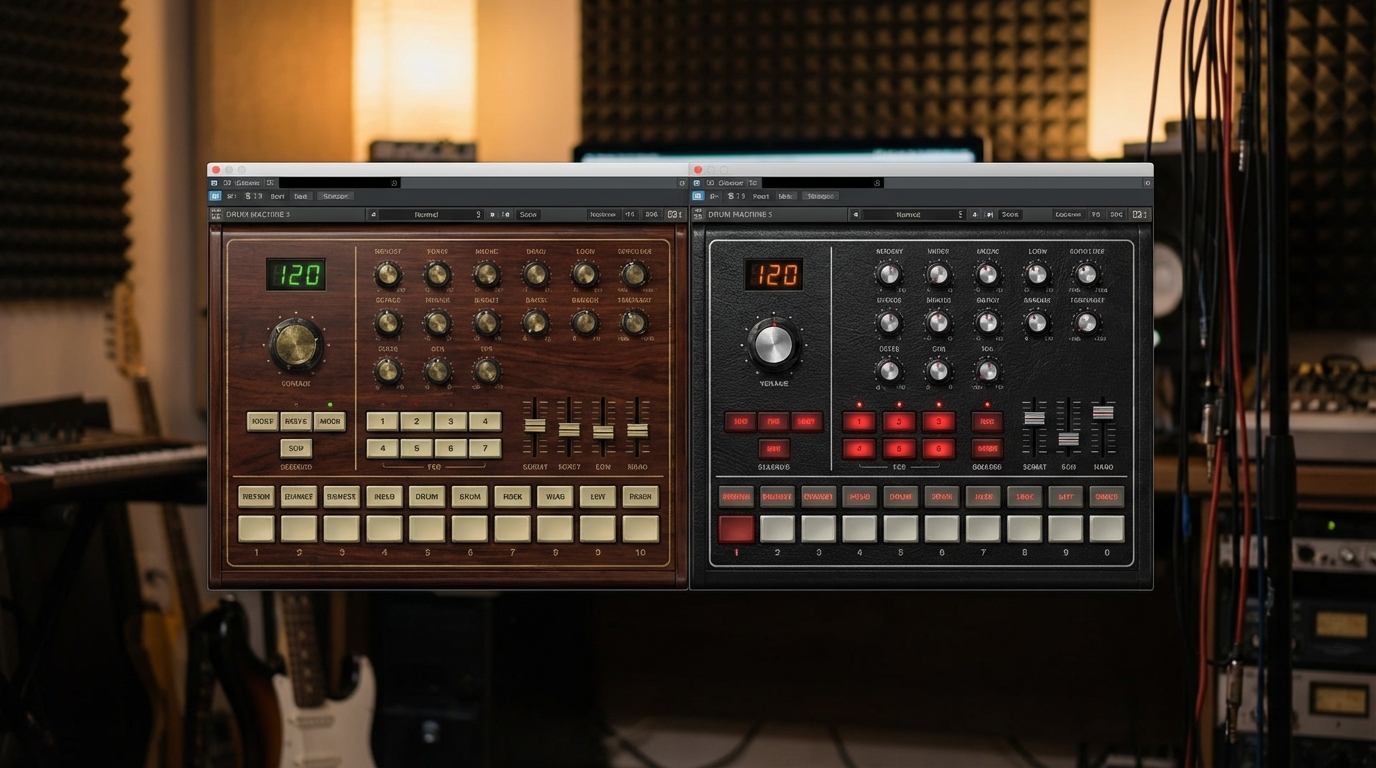
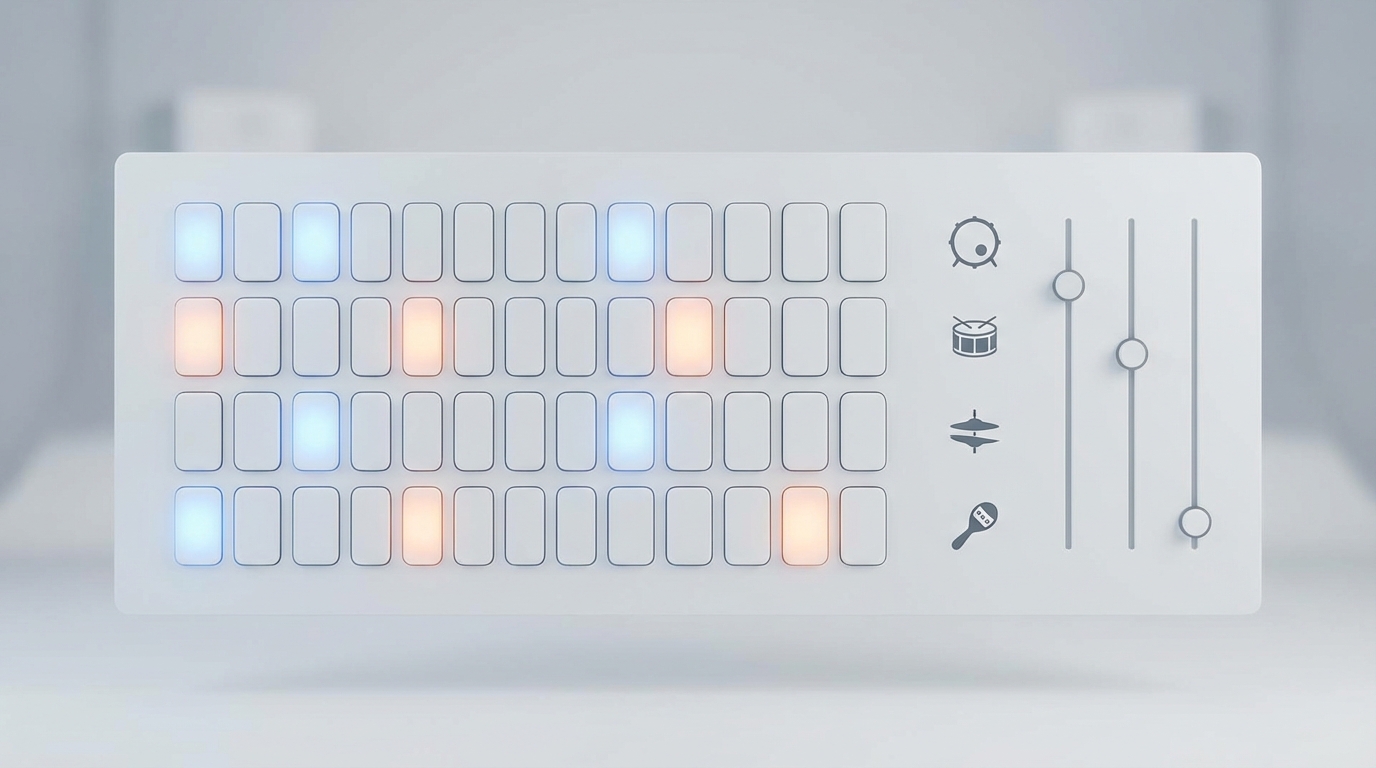
For full specs and official details visit Roland’s product page at Roland’s CR-78 Product Page or read the MusicTech announcement.
Pattern editing and user control: deeper than four patterns
The original CR-78 offered only four pattern variations. However, the CR-78 Software Rhythm Composer opens a detailed pattern view with an editable grid. Here you can enter, delete and fine-tune individual steps with surgical precision. As a result, patterns feel alive and flexible.
In the pattern view you can control instrument levels, adjust tuning and set decay per sound. You can also shape volume balance and apply fade-in or fade-out to patterns. The software adds shuffle and fills to humanize grooves, therefore making rhythm patterns less mechanical.
Key editing capabilities and customization options
- Enter, delete and nudge steps in the grid for precise programming.
- Fine-tune step timing and gate length to tighten or loosen grooves.
- Adjust instrument level sliders to balance kick, snare, hats and percussion.
- Tweak tuning and decay to match your mix or sculpt vintage character.
- Add shuffle and fills for dynamic variation and groove movement.
Because the plugin supports DAW tempo sync and drag-and-drop audio/MIDI, patterns integrate smoothly into modern projects. In addition, you can export patterns or drag MIDI into your session for further editing. Roland’s product page shows full specs at Roland CR-78 Product Page. Read the MusicTech announcement at MusicTech Announcement for hands-on impressions.
Whether you want classic CompuRhythm tones or modern sequencing, the CR-78 Software Rhythm Composer gives deep pattern control.
Pricing and availability: grab the introductory deal while it lasts
The CR-78 Software Rhythm Composer is available now through Roland Cloud Ultimate membership or as a standalone Lifetime Key purchase. Roland offers instant access to the plugin via Roland Cloud, and you can also own it outright with a Lifetime Key. Because this launch celebrates a classic, Roland has a special limited-time price.
Key buying details
- Introductory Lifetime Key price until 28 February: $49. This offer is designed to get the plugin into new studios quickly.
- Regular Lifetime Key price after the promotion: $199. Therefore act early to save.
- Roland Cloud Ultimate membership: includes the CR-78 and many other instruments. In addition, membership lets you manage downloads and updates centrally.
How to access and where to read more
Visit Roland’s official product page to buy or join Roland Cloud: Roland CR-78 Product Page. For coverage and initial impressions, read the MusicTech announcement: MusicTech Announcement.
In short, this is a rare chance to own a faithful CR-78 recreation at a very attractive price. Act now to secure the introductory rate.
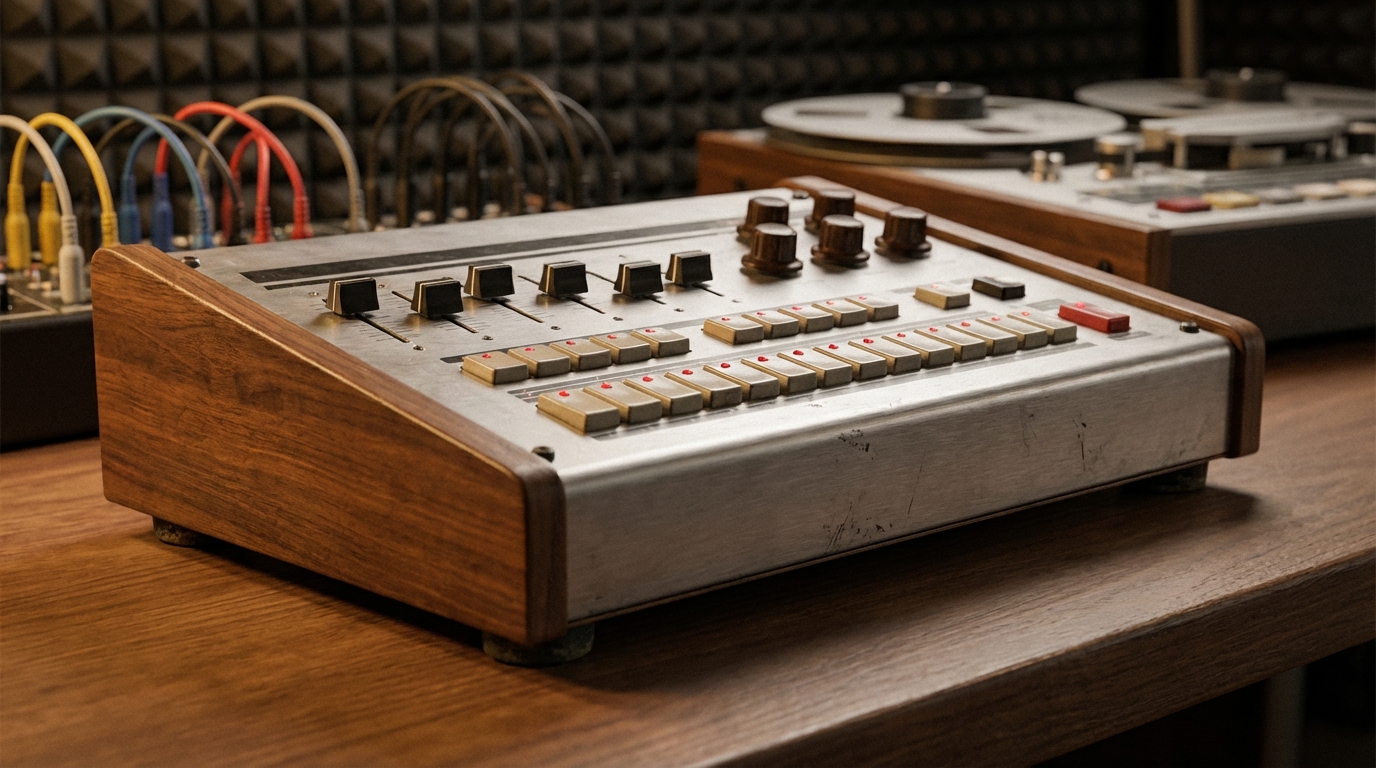
Vintage hardware versus modern software: the original CR-78 CompuRhythm drum machine above shows the tactile, analog era of rhythm programming with wood side panels and physical buttons. Below, the software incarnation brings that same spirit into a DAW-friendly format.
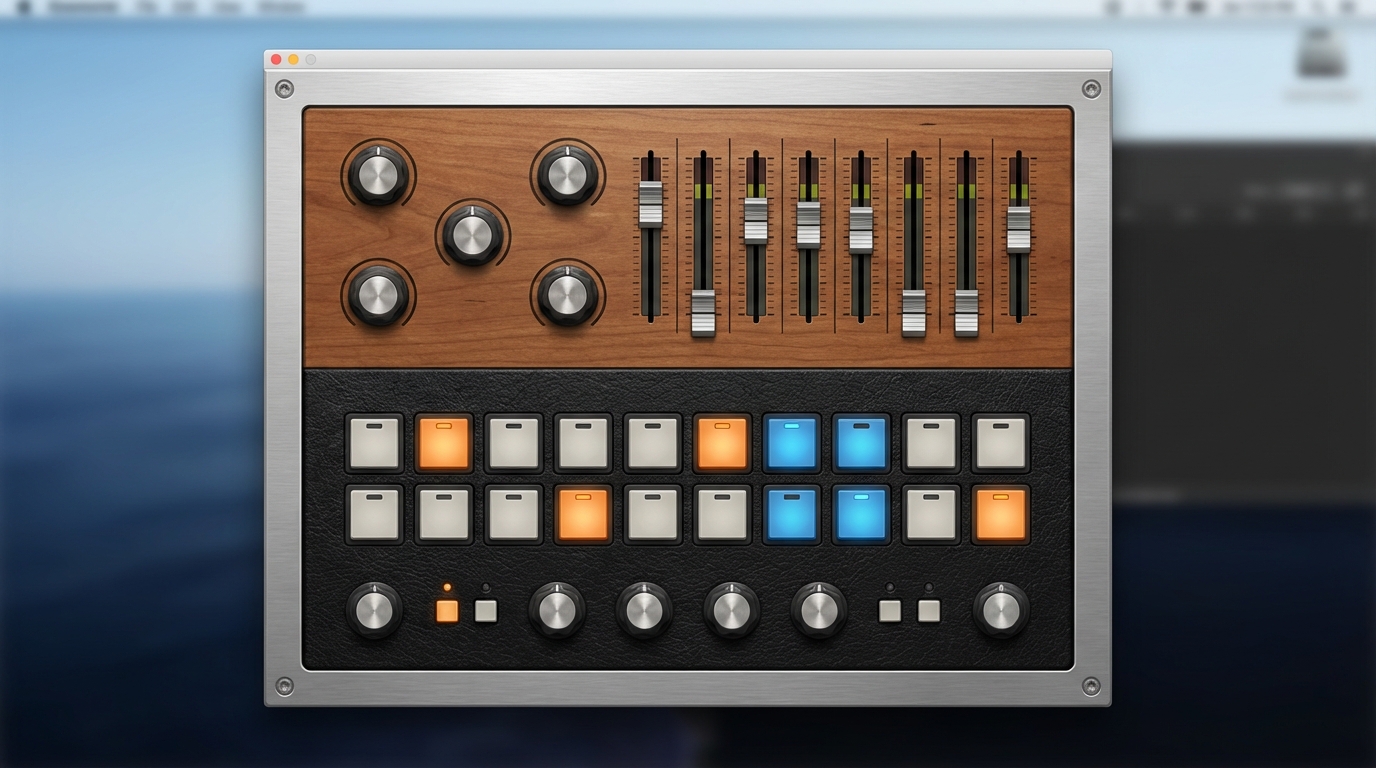
The plugin recreates the look and feel with wood panel and black vinyl skins while adding digital conveniences such as editable pattern view, instrument level sliders and DAW tempo sync.
Historical context and legacy
“Well before the famous TR-808 and TR-909 revolutionised hip-hop and dance, the CR-78 CompuRhythm had a massive influence on the music world,” Roland says. The compact CR-78 CompuRhythm Drum Machine delivered fat analog tones and easy programmability. As a result, producers found new rhythmic textures that stood out in mixes.
“Debuting in 1978 as Roland’s first programmable rhythm machine, the CR-78 was quickly adopted by musicians and producers of the era seeking new rhythm textures. Its fat analog sound and distinctive pulse are integral to countless hits across many genres, from new wave and early electronic music to mainstream pop and rock.” That early adoption helped shape styles across synthpop, new wave, experimental and mainstream pop. In addition, the CR-78’s presets and patterns inspired creative rhythm programming long before modern sequencing arrived.
Because the original hardware offered tactile controls and a warm character, it became a studio staple. For context and official details see Roland’s announcement at Roland’s official page and coverage from MusicTech at MusicTech’s article. These sources highlight the CompuRhythm’s cultural footprint and technical legacy.
Today the CR-78 Software Rhythm Composer bridges past and present. Therefore the plugin uses Analog Circuit Behaviour modelling and a pattern view to preserve vintage character while adding modern sequencing, tuning and mixing controls. Musicians gain classic rhythm patterns with new creative control.
Conclusion
The CR-78 Software Rhythm Composer delivers authentic vintage tone with modern workflow. It uses Analog Circuit Behaviour modelling to recreate the original’s warmth. It also adds editable pattern view, individual sound mixing, tuning and decay controls. In addition, DAW tempo sync and drag-and-drop audio and MIDI speed up production.
Because the original CR-78 shaped genres like new wave and early electronic music, this plugin matters today. Therefore producers and DJs gain classic rhythms with contemporary flexibility. The software fits into modern sessions and preserves tactile visual skins.
Act now to explore the plugin via Roland Cloud or a Lifetime Key purchase. Introductory pricing makes this an easy upgrade for studios and live setups. Embrace the legacy while expanding your rhythmic palette.
