


Pratersauna closure in Vienna shocks Vienna’s nightlife
Pratersauna closure in Vienna shakes the city’s electronic scene as insolvency ends a landmark club, affecting DJs and venues.
Pratersauna closure in Vienna: Iconic club forced to shut after insolvency
Pratersauna closure in Vienna has been announced, marking a major shift for the city’s nightlife. The multi-floor venue opened as a sauna in 1965 and rose to iconic status after its 2009 club conversion. Owners and operators declared insolvency on January 21, 2026, and an eviction lawsuit removed planning security. As a result, the club has been out of operation since mid-December without an official explanation.
The dispute involves Prater Nostra GmbH, RHC Invest GmbH and figures tied to Martin Ho. Additionally, feminist collectives withdrew sound and lighting equipment after legal turmoil. For Vienna’s electronic music scene, the closure ends a key gathering place for local and international DJs. However, the implications reach beyond one venue because rental disputes and changing conditions affect many venues. This article examines the facts, timelines and wider impacts on club culture and live electronic music in Vienna. Readers will find a timeline, statements and analysis below.
Background and history: Pratersauna closure in Vienna
Origins: Pratersauna opened in 1965 as a public sauna near the Prater park. Over decades it served varied roles. It kept architectural traces of the 1960s.
Transformation: In 2009 owners converted the building into a multi floor club. The venue combined raw industrial spaces with sauna elements. As a result it attracted house, techno and electro nights.
Role in Vienna nightlife: Pratersauna quickly became an iconic club for local and international DJs. It hosted label showcases, festivals and long weekend parties. Consequently it helped shape Vienna’s electronic music identity.
Ownership and changes: The site experienced several management and ownership shifts. In recent years Prater Nostra GmbH and figures tied to Martin Ho operated the venue. For background on recent management changes see Resident Advisor and reporting on insolvency at ORF Wien.
Legacy: Beyond fights over rent and legal disputes the club remained a cultural touchstone. However its closure affects promoters, DJs and regulars who relied on the space.
Today the Pratersauna closure in Vienna underscores broader pressures on urban music venues, including rising rents, legal uncertainty and changing regulatory frameworks and promoters.
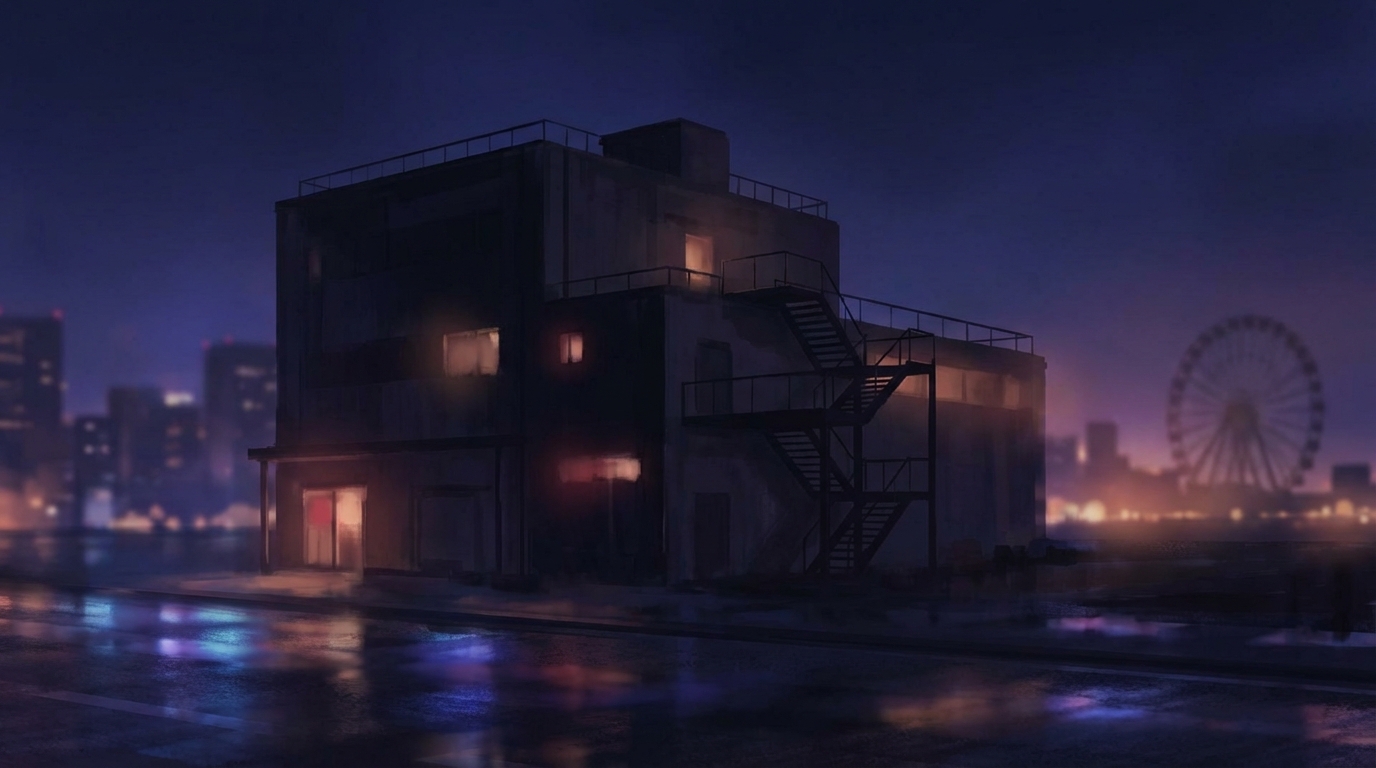
Reasons behind the Pratersauna closure in Vienna
Pratersauna closure in Vienna stems from insolvency, legal disputes, and operational disruptions. Insolvency was declared on January 21, 2026, leaving operators without funds to continue. As a result, an eviction lawsuit removed planning security for Prater Nostra GmbH. Meanwhile rental disputes complicated the situation, because owners and tenants disputed rent forwarding between RHC Invest GmbH and Martin Ho’s network.
Operators and founders pushed back. Sebastian Müller-Klasz says they were “having always paid the rents,” and that rent obligations were met. However owners accuse Martin Ho’s group of not forwarding funds, which led to cash shortfalls. Furthermore feminist collectives withdrew borrowed sound and lighting equipment after Martin Ho’s police detention in December 2025. Consequently promoters lost technical support and events faced cancellations.
The canceled New Year’s Eve party highlighted operational collapse. Therefore ticket refunds and vendor losses spread across Vienna’s club networks. A spokesperson for Martin Ho’s group said they will no longer operate the venue, calling the “‘clubbing model’ at this location to be ended due to changed framework conditions.” This statement frames a strategic retreat rather than a single financial failure.
Taken together these factors explain the closure. In addition rising rents, legal uncertainty and shifting local regulations strain independent venues.
For reporting on the insolvency and local reaction see ORF’s coverage ORF’s Coverage and Resident Advisor’s summary Resident Advisor’s Summary. Impacts will unfold over months.

Impact on Vienna’s electronic music and club scene: losses and next steps
Pratersauna closure in Vienna removes a major platform for artists and local scenes. The venue hosted label nights, international DJs, and underground showcases. As a result many residents lose a key performance space and opportunities for long exploratory sets. Promoters face cancelled bookings and higher costs while audiences have fewer late night options. Moreover feminist collectives withdrawing equipment reduced capacity for grassroots events and DIY parties.
The closure triggers cascading effects across the ecosystem. Artists, promoters, vendors, and communities experience income shocks, lost networking and fewer testing grounds for new material. Summaries of the main impacts follow
- Artists and performers lose rehearsal stage time and long format sets plus reduced touring stops
- Promoters confront refund liabilities, rebooking headaches and rising venue rents
- Technical crews and vendors suffer income loss and fragmented gig pipelines
- Community groups and collectives see weakening social networks and fewer inclusive spaces
Looking forward there are practical rebound strategies and lessons learned that can help rebuild resilience. Stakeholders should prioritize layered revenue models, emergency cultural funds, flexible venue sharing and stronger legal protections for tenancy. In addition cooperative ownership, pop up events, and partnerships with cultural institutions offer routes to preserve experimental programming. Ultimately Vienna can adapt if communities coordinate, advocate for supportive policy, and invest in sustainable club infrastructure.
Conclusion
The Pratersauna closure in Vienna marks the end of a distinct chapter in the city’s club culture. For years the venue offered experimental nights, long DJ sets, and a community driven scene. However insolvency, eviction lawsuits, and management disputes removed the practical ability to operate.
Club operators now face familiar challenges, including rising rents, legal uncertainty, and fragile financing. As a result venues must balance creative programming with stricter business realities. Promoters, artists, and collectives will need new spaces and more stable frameworks to survive.
Looking ahead the closure prompts reflection and action. City policymakers, cultural funders, and venue owners could explore targeted protections. Meanwhile local scenes must adapt, because grassroots innovation often finds new forms. In the end Vienna’s nightlife will change, but its electronic music ecosystem can persist if communities support sustainable models and defend diverse club culture.
