


Antares Unveils AutoTune Advanced with DVA Vibrato Preservation
AutoTune Advanced debuts with the DVA engine to preserve vibrato, delivering ultra-low latency and new tools for practical vocal editing.
AutoTune Advanced — Antares’ New Flagship Rebuild of Pitch Correction
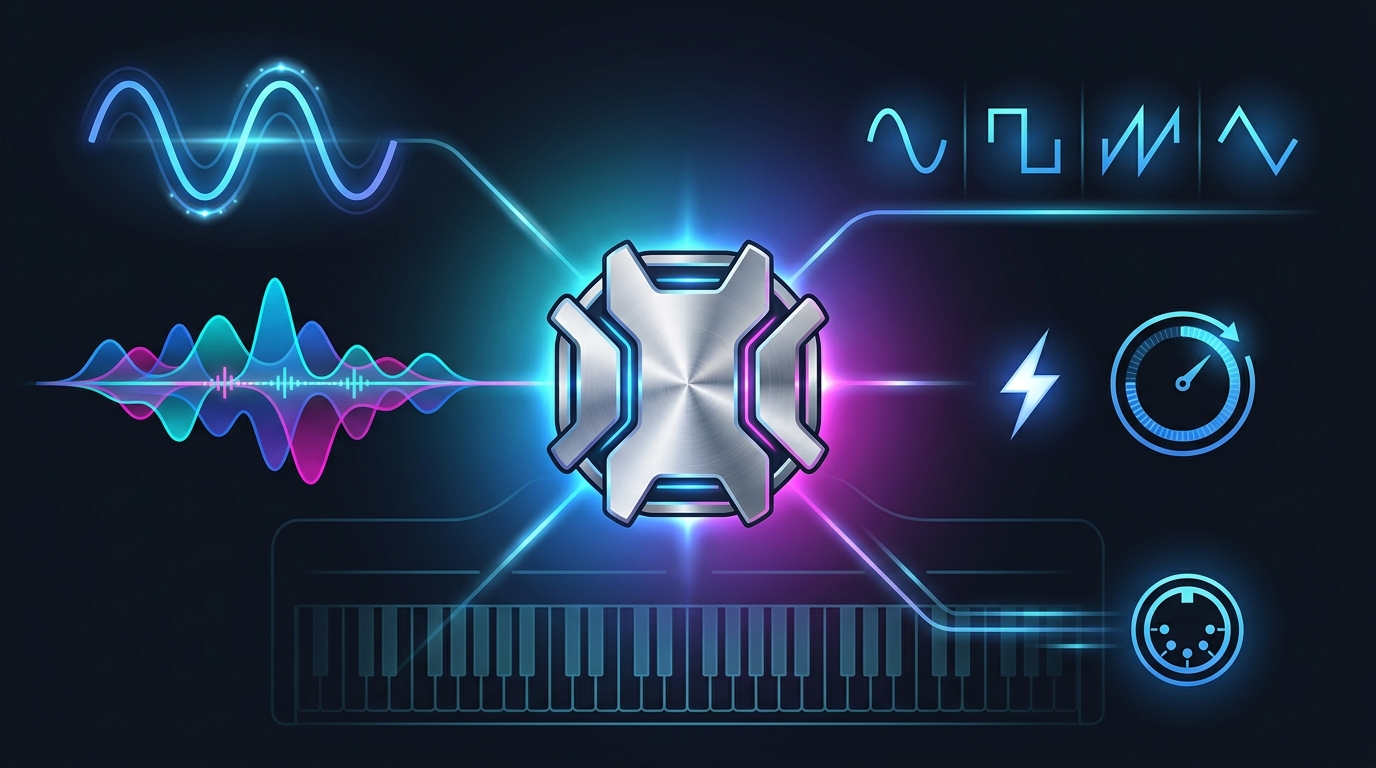
AutoTune Advanced is the newest flagship in the AutoTune lineup from Antares Audio Technologies and is a ground-up rebuild of automatic pitch correction technology. Its core is the patent-pending DVA engine that detects and preserves a singer’s natural vibrato. DVA includes a real-time vibrato visualizer and a Vibrato FX that can add movement using sine, square, saw, or triangle waves.
“Since 1997, the complaint about pitch correction has been the same: it takes the singer out of the singing. That’s the problem DVA was built to solve. It can tell the difference between a pitch error and a decision the vocalist made, and it leaves the decision alone.”
Live mode latency is 0.84 ms at 44.1 kHz. Other additions include a Formant Designer, a custom scale workflow, a 78-note Visual Keyboard and MIDI Perform. Classic Mode remains for the hard-tuned AutoTune sound while Modern Mode focuses on more transparent correction. AutoTune Advanced was launched alongside AutoTune Pro 11 and AutoTune for everyday pitch correction, with AutoTune Pro 11 retaining Graph Mode and detailed manual editing and exclusive presets created by Julian Marley, Ann Mincieli, Tom Norris, and Benjamin Thomas.
AutoTune Advanced core technologies
The core of AutoTune Advanced is a patent-pending DVA engine that detects and preserves a singer’s natural vibrato. The product is described as a ground-up rebuild of automatic pitch correction technology, with the DVA engine positioned as the central processing element. The DVA engine is presented as the primary mechanism for differentiating pitch errors from intentional vocal choices.
Live mode monitoring in AutoTune Advanced is specified with a latency of 0.84 ms at 44.1 kHz. The software includes Vibrato FX that can add movement using sine, square, saw, or triangle waveforms. These Vibrato FX provide selectable waveform options for introducing additional vibrato movement.
DVA includes a real-time vibrato visualizer. The real-time visualizer is included as part of the DVA feature set. The DVA engine, the measured Live mode latency, the real-time visualizer, and the Vibrato FX are presented as core technological features of AutoTune Advanced. AutoTune Advanced is the newest flagship in the AutoTune lineup.
AutoTune Advanced additional features
AutoTune Advanced includes additional feature enhancements such as Formant Designer, a custom scale workflow, a 78-note Visual Keyboard, and MIDI Perform. These features are presented in the product announcement as part of the expanded toolset for pitch correction and vocal processing. The announcement lists these items without providing technical details, and the available sources do not provide further information about parameters, interfaces, or implementation of these features. No additional performance metrics or operational descriptions for Formant Designer, the custom scale workflow, the Visual Keyboard, or MIDI Perform are provided in the cited material.
The product retains Classic Mode for the hard-tuned AutoTune sound and offers Modern Mode for a more transparent correction approach. The announcement states the existence of both modes but does not include detailed comparisons of their algorithms, settings, or use cases. The available sources do not provide specification-level differences between Classic Mode and Modern Mode or explain how user workflows should be adapted for each mode.
AutoTune Advanced companion releases
AutoTune Pro 11 was released alongside AutoTune Advanced. AutoTune Pro 11 includes Graph Mode and detailed manual editing. Graph Mode and the manual editing capabilities are described in the announcement but no technical specifications, metrics, or algorithmic details are provided. The available sources do not provide this information.
The product lineup also includes a version described as intended for everyday pitch correction. The announcement identifies this version by its positioning as an everyday pitch correction solution rather than listing advanced editing features. No product-specific feature list, pricing, or platform compatibility for the everyday pitch correction version is provided in the cited material. The available sources do not provide this information.
Jeff Wright, CEO of Antares Audio Technologies, explained the design goal of the DVA engine as preserving the singer’s intention by distinguishing between pitch errors and deliberate vocal choices. He framed this goal as the rationale behind building DVA to address long-standing criticisms of pitch correction. The statement summarizes the intended behavior of the DVA engine as described in the product announcement.
“Since 1997, the complaint about pitch correction has been the same: it takes the singer out of the singing. That’s the problem DVA was built to solve. It can tell the difference between a pitch error and a decision the vocalist made, and it leaves the decision alone.” – Jeff Wright, CEO of Antares Audio Technologies
Conclusion
AutoTune Advanced is presented in the announcement as a major technology upgrade within Antares’s AutoTune lineup, described as a ground-up rebuild intended to preserve vocal nuances while expanding pitch-correction workflows. The release is listed alongside other updated AutoTune products, positioning it as the flagship complement to the Pro and everyday pitch-correction versions and including exclusive presets from named producers. The announcement highlights the product’s focus on preserving singers’ musical decisions while offering new workflow tools. The available sources do not provide independent performance evaluations, pricing, or platform-compatibility details.
